Loading
Loading
Abarth was founded in 1949 by Carlo Abarth, an Austrian-Italian engineer and motorcycle racer who had worked for Cisitalia and, before that, spent time building racing motorcycles. The company's logo , a stylized scorpion , referenced Carlo's zodiac sign. Abarth initially built competition cars and performance exhaust systems, quickly earning a reputation for extractor exhausts that gave engines a distinctive, aggressive note and measurable power gains.
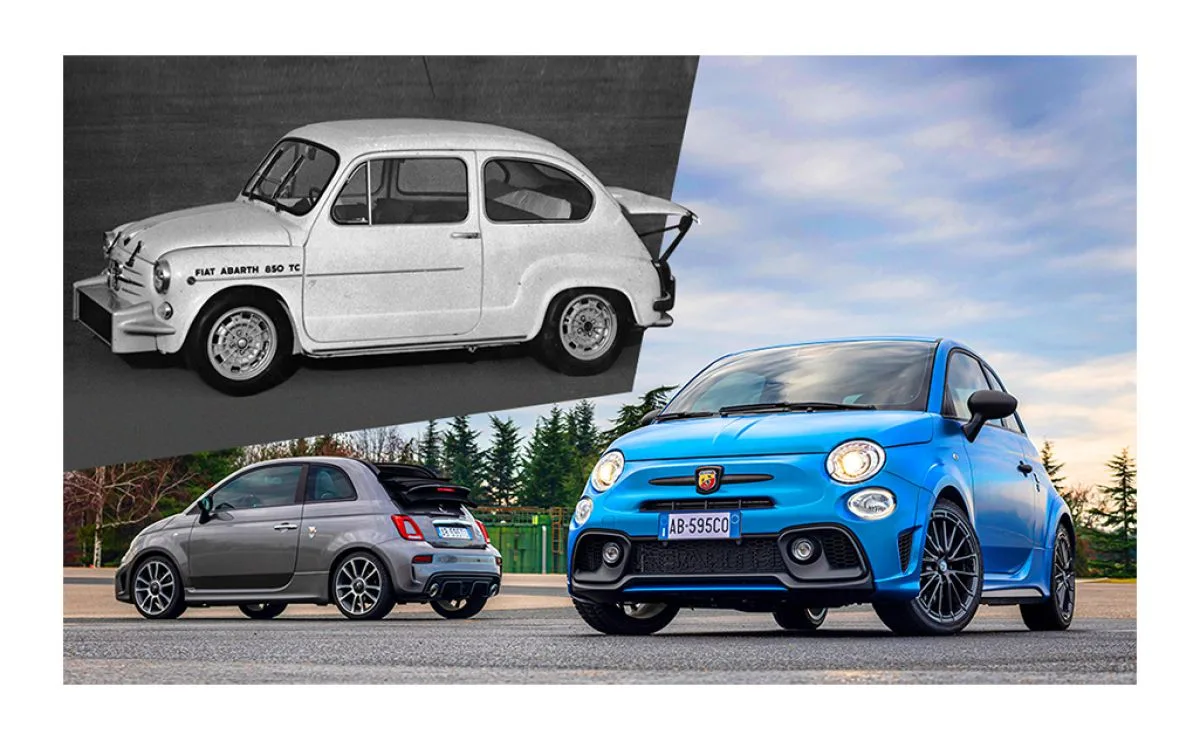
Abarth's first true masterpiece was the 1958 Fiat-Abarth 500, a heavily modified Fiat Nuova 500 with a rear-mounted 747cc engine that produced 39 horsepower , doubling the standard car's output. But the car that made Abarth famous was the 595/695 series, which turned the humble Fiat 500 into a tiny roadgoing missile. Abarth's competition success was extraordinary for a small tuning company: the marque set multiple speed and endurance records at Monza, held numerous world records for its class, and won the 1966 European Hill Climb Championship.
Fiat incorporated Abarth as its official racing department in 1971, and the name became attached to performance versions of various Fiats through the 1970s and 1980s, including the Ritmo Abarth 130 TC and the Uno Turbo. The Abarth brand was revived as a standalone marque in 2007 with the Grande Punto Abarth, followed by the Abarth 500 (2008), which became the brand's defining modern model. The Abarth 695 and 124 Spider followed. In recent years, Abarth has introduced the 600e, its first electric model, bringing the scorpion's performance tuning to the EV era.
Carlo Abarth's patented "Record Monza" exhaust system was among the first affordable aftermarket performance upgrades that delivered a genuine power increase with a distinctive sound, making Abarth a household name among enthusiasts on a budget. The dual-exit, variable-backpressure design was decades ahead of its time.
The 1965 Fiat-Abarth OT 1000 Berlinetta was one of the first cars to use an aggressively tuned small-displacement engine to defeat larger-engined competitors through lower weight and superior handling, foreshadowing the modern hot-hatch philosophy by a decade.
The Abarth 500 (2008) revived the formula of the original 595 , take a charming city car, double the power, stiffen the suspension, and fit an exhaust that crackles and pops on the overrun , for a modern audience. This formula has since been imitated by numerous manufacturers but rarely matched for sheer character.
The Italian tuning company was established, specializing in performance exhausts and competition cars.
The aggressively tuned 500 doubled the standard car's power, launching the Abarth formula of small, loud, fast cars.
Carlo Abarth's signature exhaust design became synonymous with the brand's distinctive sound.
The modern Abarth 500 brought the scorpion back to life with a turbocharged 1.4-litre engine and a crackling exhaust.
How the platform works for buyers and dealers